
Dental Implant
Restore your confidence with permanent, natural-looking teeth.
Dental implants are the most advanced and natural-looking solution for replacing missing teeth. At OGN Dental Studio, we use cutting-edge implant technology to restore not only your smile—but also your confidence, comfort, and quality of life.
A dental implant is a small, biocompatible titanium screw that is surgically placed into the jawbone to act as an artificial tooth root. Once healed, a custom-designed crown is attached to the implant, perfectly mimicking the look and function of your natural tooth.
Request Your Free,
No-Obligation Quote
Unlike removable dentures or traditional bridges, dental implants offer a permanent and stable solution that preserves jawbone structure and allows you to eat, speak, and smile without hesitation. Whether you’re missing a single tooth, multiple teeth, or need a full-mouth restoration, implants can be customized to meet your needs.
At OGN Dental Studio in Antalya, we combine expert care, advanced imaging technology, and high-quality implant systems to ensure long-lasting, life-changing results.
What Is the Best Type of Dental Implant?
Choosing the best type of dental implant depends on your individual needs, bone structure, and long-term goals. At OGN Dental Studio, we offer a variety of implant solutions tailored to each patient’s unique condition—because there’s no one-size-fits-all answer when it comes to your smile.
Some of the most commonly preferred implant types include.

Standard Titanium Implants: Known for their durability and high success rates, titanium implants are the most widely used and trusted option. They integrate naturally with the jawbone and are suitable for most patients.
Zirconia Implants (Metal-Free): Ideal for patients with metal sensitivities or those seeking a more holistic approach. Zirconia implants are white in color, offering excellent aesthetics, especially in the front teeth.
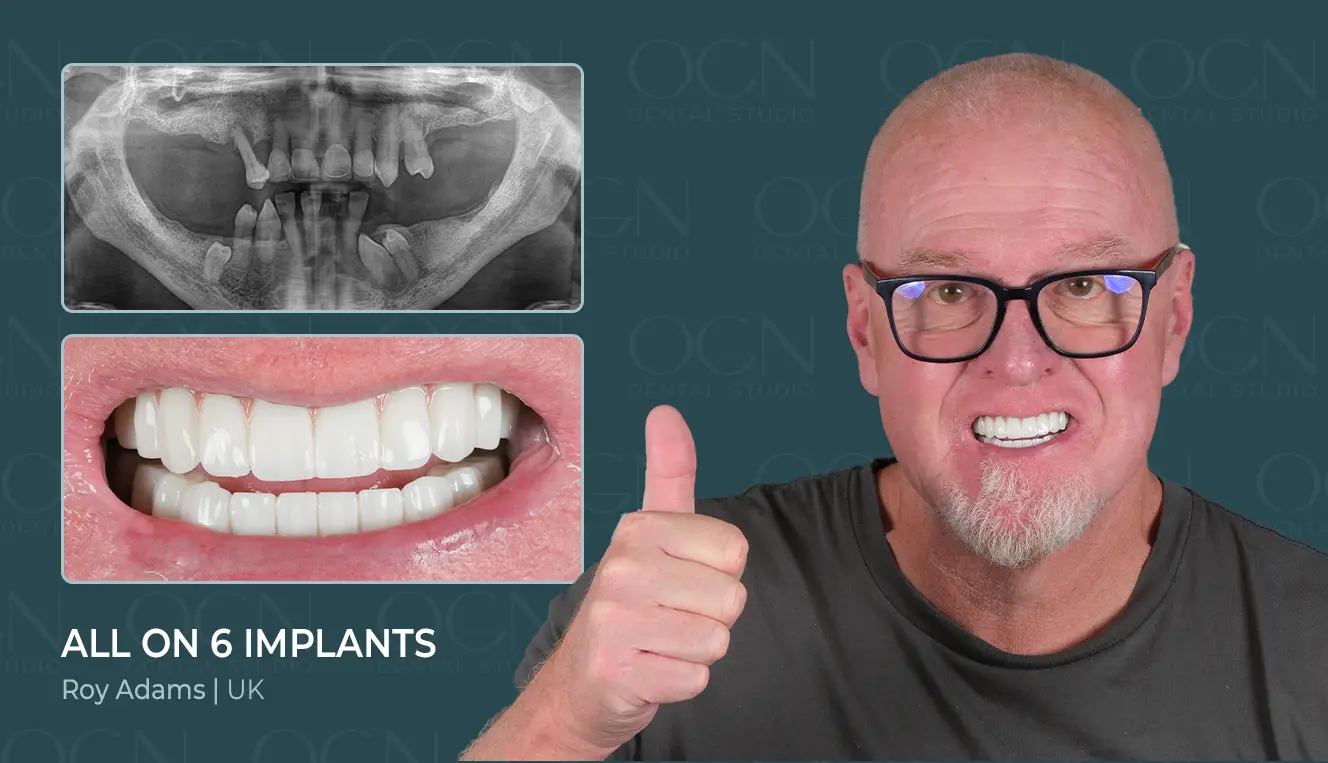
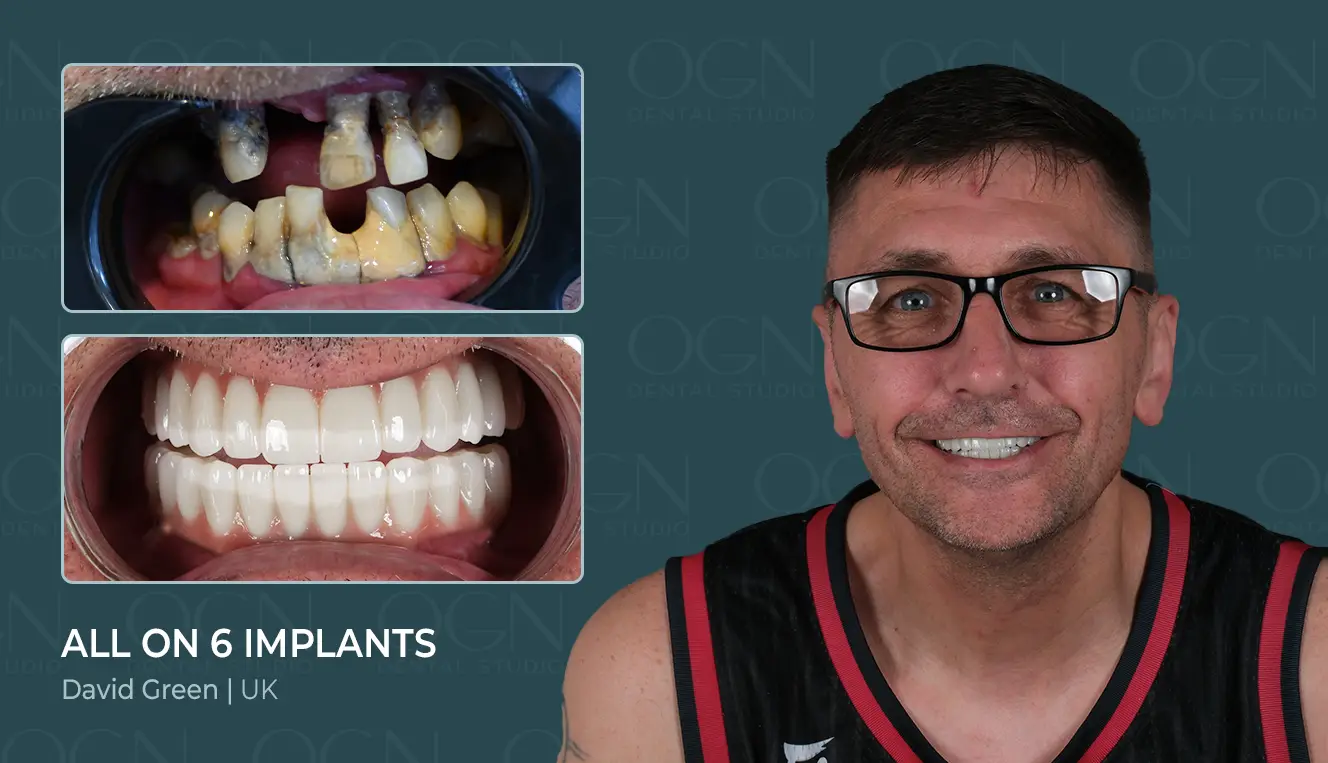
All-on-4 / All-on-6 Implants: Best for patients who have lost all teeth in one or both jaws. These systems use fewer implants to support a full arch of teeth, offering faster treatment time and cost-efficiency.
Mini Implants: These are smaller in diameter and can be a good option for patients with limited bone volume or those looking for a less invasive procedure.
At OGN Dental Studio, we work with leading global implant brands like Straumann, Osstem, and Medentika to ensure quality, safety, and long-term success. Our expert team conducts a full 3D scan and oral evaluation to determine the best implant type for your case—balancing functionality, aesthetics, and longevity.
Still unsure which implant is right for you? We’re here to help. Contact us today for a personalized consultation and discover the implant solution that’s perfect for your smile.
World-Renowned Dental Implant Brands We Use at OGN Dental Studio
At OGN Dental Studio in Antalya, we are proud to work with globally respected dental implant brands that are approved by both public institutions and scientific communities. These brands are known for their reliability, durability, and clinical success. We ensure that each implant we place meets the highest standards in dental care.


| Implant Brand | Country of Origin |
|---|---|
| Straumann | Switzerland |
| Nobel Biocare | Sweden |
| Dentsply Sirona | USA |
| Zimmer Biomet | USA |
| BioHorizons | USA |
| NTA Implant | Switzerland |
| Implant Direct | USA |
These brands allow us to offer tailored implant solutions to match every patient’s clinical needs and budget, without compromising on quality.


Dental Implantation Process
At OGN Dental Studio, we believe that a successful dental implant starts with precision, planning, and patient-centered care. Our step-by-step process ensures safety, comfort, and optimal long-term results.
Initial Consultation & 3D Imaging
Your journey begins with a comprehensive consultation. We evaluate your oral health, review your medical history, and discuss your goals. Using advanced digital 3D tomography (CBCT), we assess bone density, sinus position, and nerve pathways—everything necessary to determine your candidacy for dental implants.
If necessary, pre-treatments like tooth extractions, bone grafting, or sinus lifting are planned at this stage.
Personalized Treatment Plan
Based on your scan results and dental needs, we create a fully customized treatment plan. This includes:
- Type and brand of implants (e.g., Straumann, Osstem, etc.)
- Number of implants required
- Prosthetic design (crowns, bridges, or full arch)
- Estimated healing time and visit schedule
Our multilingual team ensures you understand every step of the process before moving forward.
Implant Placement Surgery
Implant surgery is typically performed under local anesthesia, with options for sedation or general anesthesia for anxious patients.
- A small incision is made in the gum tissue
- The titanium implant screw is placed into the jawbone
- The site is closed with sutures
The procedure generally takes 30–60 minutes per implant and is painless and minimally invasive.

Healing & Osseointegration (3 Months)
Over the next 8–12 weeks, your implant naturally bonds with the bone in a process called osseointegration. This ensures the implant is stable and acts like a natural tooth root.
During this time:
- You may receive a temporary crown or denture
- Oral hygiene is critical for optimal healing
- Pain is minimal and manageable with prescribed medications
Abutment Placement
Once the implant is fully fused with the bone, the abutment is attached. This small connector piece protrudes from the gum and will hold your final crown or bridge.
In some cases, the abutment is placed during the initial surgery (one-stage implant), depending on the case.
Final Restoration – Crown or Prosthesis Placement
The final step is fitting your custom-made crown, bridge, or full-arch prosthesis. Our in-house dental laboratory ensures perfect color matching, bite alignment, and natural aesthetics.
Your smile is now complete—strong, beautiful, and ready to last a lifetime.
How Much Do Dental Implants Cost?
“How much do dental implants really cost, and why is Turkey so much more affordable than countries like the UK or Germany?”
Dental implant treatment in Turkey is often 60–80% more affordable than in most European countries. But this lower cost does not mean lower quality.
In fact, reputable clinics in Turkey — including OGN Dental Studio in Antalya — use the same global implant brands (such as Straumann, Nobel Biocare, and Osstem) and apply the same advanced technologies and sterile protocols as top dental centers in the UK, Germany, or the Netherlands.
| Region | Average Price (Full Mouth / €) |
|---|---|
| Turkey | €3,500 – €7,000 |
| Germany | €12,000 – €20,000+ |
| United Kingdom | €13,000 – €22,000+ |
| France | €11,000 – €19,000 |
| Netherlands | €14,000 – €23,000+ |
Why Are Dental Implants Cheaper in Turkey?
There are a few key reasons why Turkey can offer high-quality dental implants at a lower price:
- Lower operational costs: Rent, salaries, and lab expenses in Turkey are significantly lower than in Western Europe.
- Government support for health tourism: Turkey actively promotes medical and dental tourism, making it easier for clinics to offer competitive prices.
- No hidden fees: Many clinics in Europe charge separately for consultations, x-rays, anesthesia, temporary teeth, and aftercare — while Turkish clinics often include these in package prices.
- Currency exchange rate: For patients paying in EUR or GBP, the favorable exchange rate makes treatments much more cost-effective in Turkey.
The benefit? You get world-class care, top-quality materials, and experienced dentists — for a fraction of the price you’d pay at home.

How Long Do Dental Implants Last?
Dental implants are one of the most durable and reliable solutions in modern dentistry. When placed correctly and maintained properly, the implant screw (the part inserted into the jawbone) is designed to last a lifetime.
Implant Screw vs. Implant Crown Lifespan
- The implant screw, typically made from biocompatible titanium, integrates with your jawbone through a process called osseointegration. This fusion is permanent, and in most cases, the screw never needs to be replaced.
- The implant crown (the visible part that looks like a tooth), however, is subject to daily wear and tear — just like your natural teeth. On average, implant crowns last 10–15 years, but with proper care, they can last even longer.
At OGN Dental Studio, we use only A-class materials and custom-make each crown in our in-house laboratory to ensure maximum durability, comfort, and aesthetic results.
Will I Feel Pain After Dental Implant Treatment?
Many patients naturally wonder whether dental implant treatment is painful. The good news is that with today’s advanced techniques, discomfort is minimal and easily managed.
During the Procedure
At OGN Dental Studio in Antalya, dental implants are placed under local anaesthesia, sedation, or general anaesthesia depending on the patient’s needs. Local anaesthesia ensures that you do not feel any pain during the procedure.
You may feel some pressure or vibration, but no sharp pain. Sedation or general anaesthesia options are also available for patients with higher levels of anxiety or special medical conditions. Our experienced clinical team will ensure that you are comfortable throughout the process.
After the Procedure
Once the anaesthesia wears off, it is normal to experience slight discomfort around the treated area. This discomfort is generally mild and temporary. You will be prescribed pain relievers and anti-inflammatory medication to manage any soreness. The level of discomfort varies from person to person but is usually well tolerated. Most patients are surprised by how manageable the recovery process is.
Swelling and Bruising
Some patients may experience swelling or mild bruising in the facial area, especially near the surgical site. These reactions are part of the body’s natural healing process and typically resolve within three to seven days. Applying a cold compress during the first 24 hours, resting with your head elevated, and avoiding hard or very hot foods can help reduce swelling and support a faster recovery.
What to Expect Overall
Most patients report that the experience is far more comfortable than they anticipated. Many describe it as being less painful than a tooth extraction. Our team is always available to guide you through recovery, answer your questions, and provide support if any concerns arise.
At OGN Dental Studio, we are committed to delivering not only the highest quality results, but also a smooth and stress-free experience for every patient.
What Are the Benefits of Dental Implants?
Dental implants offer more than just a cosmetic solution to missing teeth. They play a critical role in maintaining your overall oral health and preserving the natural structure of your jaw.
When a tooth is lost, the jawbone in that area begins to deteriorate over time. This happens because the bone no longer receives stimulation from the tooth root. Without that stimulation, the bone loses density and starts to shrink. Over time, this can cause the surrounding teeth to shift or become unstable, leading to further tooth loss and changes in your facial structure.
Dental implants solve this problem by replacing both the visible part of the tooth and its root. The implant screw, made of biocompatible titanium, integrates with the jawbone and provides the stimulation needed to keep the bone healthy. This not only prevents bone loss but also helps maintain the alignment and strength of neighboring teeth.
- Bone Preservation : Dental implants support the jawbone in the same way natural teeth do. They prevent bone resorption and preserve the shape and density of your jaw.
- Natural Look and Function : Implant-supported crowns are custom-designed to match your natural teeth in color, shape, and size. They function just like real teeth, allowing you to eat, speak, and smile with confidence.
- Long-Term Stability: Unlike removable dentures, dental implants are fixed in place. They do not shift or move while eating or speaking, providing long-term comfort and reliability.
- Protection for Surrounding Teeth: Traditional bridges require grinding down healthy teeth to anchor the restoration. Dental implants stand independently, preserving the integrity of surrounding teeth.
- Restored Chewing Ability : With dental implants, you can chew and eat as you would with natural teeth. This allows you to enjoy a varied diet without restrictions, supporting better overall health.
- Improved Aesthetics and Facial Structure : Tooth loss and bone shrinkage can lead to sagging facial features and a prematurely aged appearance. Dental implants help maintain natural facial contours and prevent the sunken look that often accompanies missing teeth.
- Enhanced Confidence : Restoring your smile with dental implants can significantly boost your self-esteem. You can speak, laugh, and interact socially without feeling self-conscious about your teeth.
- Durability and Cost-Effectiveness : While the initial investment in implants may be higher than other restorations, their longevity makes them more cost-effective over time. With proper care, implants can last a lifetime.
At OGN Dental Studio, we combine advanced techniques with top-tier materials to ensure that every dental implant provides maximum functional and aesthetic benefits. Whether you’re missing a single tooth or need a full-mouth restoration, our team is here to help you regain your smile and protect your long-term oral health.
What Are the Risks of Dental Implant Treatment?
Dental implant treatment is widely recognized as a safe and highly successful procedure when performed by experienced professionals using advanced technology. However, like any surgical intervention, it carries certain risks. These risks are rare, and when they do occur, they are typically manageable with timely intervention and appropriate care.
Understanding the possible risks helps patients make informed decisions and feel more confident throughout the treatment process. Below are some of the potential risks associated with dental implants:
- Infection at the Implant Site : As with any procedure that involves surgery, there is a slight risk of infection at the site where the implant is placed. This can usually be prevented or easily treated with proper post-operative care, good oral hygiene, and prescribed antibiotics when necessary.
- Sinus Complications : When implants are placed in the upper jaw, especially in the back teeth area, they may be positioned close to the sinus cavities. If the sinus is accidentally perforated or the bone support is insufficient, it may lead to sinus-related issues. In such cases, a sinus lift procedure or bone grafting may be performed either beforehand or during the implant process to ensure a stable and safe outcome.
- Nerve Damage : In rare cases, implants placed too close to major nerve pathways—particularly in the lower jaw—can lead to temporary or, very rarely, permanent nerve irritation. This may cause numbness, tingling, or discomfort in the lips, gums, or chin area. To minimize this risk, 3D imaging and digital planning are used at OGN Dental Studio to precisely evaluate bone structure and nerve positions before surgery.
- Implant Failure or Rejection : Although dental implants are made of biocompatible titanium and are generally well-accepted by the body, there is a small chance that the implant may not fully integrate with the bone. This can be due to several factors such as smoking, poor bone density, existing medical conditions (e.g., uncontrolled diabetes), or excessive pressure on the implant. In such cases, the implant can be safely removed, and the area can be treated and re-evaluated for a future attempt.
- Gum Recession or Bone Loss Around the Implant : Improper implant placement, lack of oral hygiene, or aggressive brushing may lead to gum recession or slight bone loss around the implant. Regular check-ups and professional cleanings help to prevent this and keep both your gums and implants healthy.
- Allergic Reaction (Extremely Rare) : Although dental implants are made from titanium, a material known for its excellent compatibility with human tissue, a small percentage of patients may have a hypersensitivity or allergic reaction. This is extremely rare and can usually be identified beforehand through medical consultation and allergy testing.
How OGN Dental Studio Minimizes These Risks
At OGN Dental Studio, patient safety and long-term success are our top priorities. We take several advanced steps to minimize any potential risks:
Comprehensive pre-treatment assessments, including 3D imaging and panoramic X-rays
- Use of high-quality, globally recognized implant brands
- Precise surgical techniques and digital planning
- A sterilized clinical environment
- Ongoing post-treatment follow-up and care

By thoroughly evaluating each patient’s oral health and medical history, our dental professionals create a personalized treatment plan designed to ensure the highest level of safety and success.
If you have any concerns or questions about implant treatment and potential risks, we are always available to guide you through the process. Your comfort, confidence, and long-term oral health are at the heart of everything we do.
Aftercare Tips for Dental Implants
Proper care after your dental implant procedure is essential for a smooth healing process and long-term success. Here are the key recommendations:
- Follow Your Dentist’s Instructions : Take prescribed medications, maintain oral hygiene as advised, and attend your follow-up appointments.
- Mild Discomfort Is Normal : Some swelling or pain is expected for a few days. Use cold compresses, stay hydrated, and get plenty of rest.
- Eat Soft Foods : Stick to soft foods like soups, yogurt, and mashed vegetables. Avoid hot, spicy, or crunchy items during the healing phase.
- Keep the Area Clean : Brush gently with a soft toothbrush and rinse with salt water to keep the area clean without disturbing the implant site.
- Avoid Smoking and Alcohol: Both can slow down healing and increase the risk of infection. It’s best to avoid them for at least a few weeks.
- Watch for Unusual Symptoms : Contact your dentist if you notice excessive pain, bleeding, swelling, or fever.
Frequently Asked Questions (FAQ)
Dental implants are artificial tooth roots made of titanium, placed into your jawbone to support crowns, bridges, or dentures. They look, feel, and function like natural teeth.
The procedure is performed under local anesthesia, so you won’t feel pain during the surgery. Mild discomfort, swelling, or bruising may occur afterward but can be easily managed with medications. Most patients report that the process is easier than expected.
The first visit (3–5 days) is for placing the implant.
After a healing period of 3–4 months (osseointegration), a second visit (another 3–5 days) is scheduled for attaching the crown.
You are likely a good candidate if you:
Have one or more missing teeth
Have healthy gums and sufficient jawbone
Maintain good oral hygiene
Do not have uncontrolled chronic conditions (e.g., diabetes)
If bone loss has occurred, additional procedures like bone grafting may be necessary.
With proper care, the implant screw can last a lifetime, while the crown typically lasts 10–15 years or more. Regular checkups and good oral hygiene extend their lifespan.
Lower costs in Turkey are due to lower clinic expenses and general operating costs—not lower quality. Clinics like OGN Dental Studio use the same global brands and technologies as in Europe, while offering more affordable pricing.
Yes. At OGN Dental Studio, each crown is custom-made to match your natural teeth in shape, size, and color. Once placed, it’s almost impossible to distinguish it from your real teeth.