
Metal Crowns
Metal Crowns, also known as Porcelain Fused to Metal (PFM) Crowns, are one of the most established and widely used types of dental crowns in restorative dentistry. These crowns are designed with a dual-layer structure: a robust metal alloy base that provides structural integrity, and a tooth-colored porcelain outer layer that enhances aesthetics and blends naturally with the rest of the teeth.
The metal core, typically made from alloys containing nickel, chromium, cobalt, or precious metals such as gold, ensures exceptional durability, making these crowns ideal for areas exposed to significant chewing pressure like molars. The porcelain coating on top is carefully layered and shaded to resemble natural tooth enamel, offering a visually pleasing result, especially when crafted by experienced dental technicians.
Request Your Free,
No-Obligation Quote
A Balance Between Strength and Aesthetics
What sets Metal Crowns apart is their ability to deliver a strong bite function while still maintaining a relatively natural look. This makes them a popular choice for patients who want both functionality and appearance, particularly when restoring teeth at the back of the mouth.
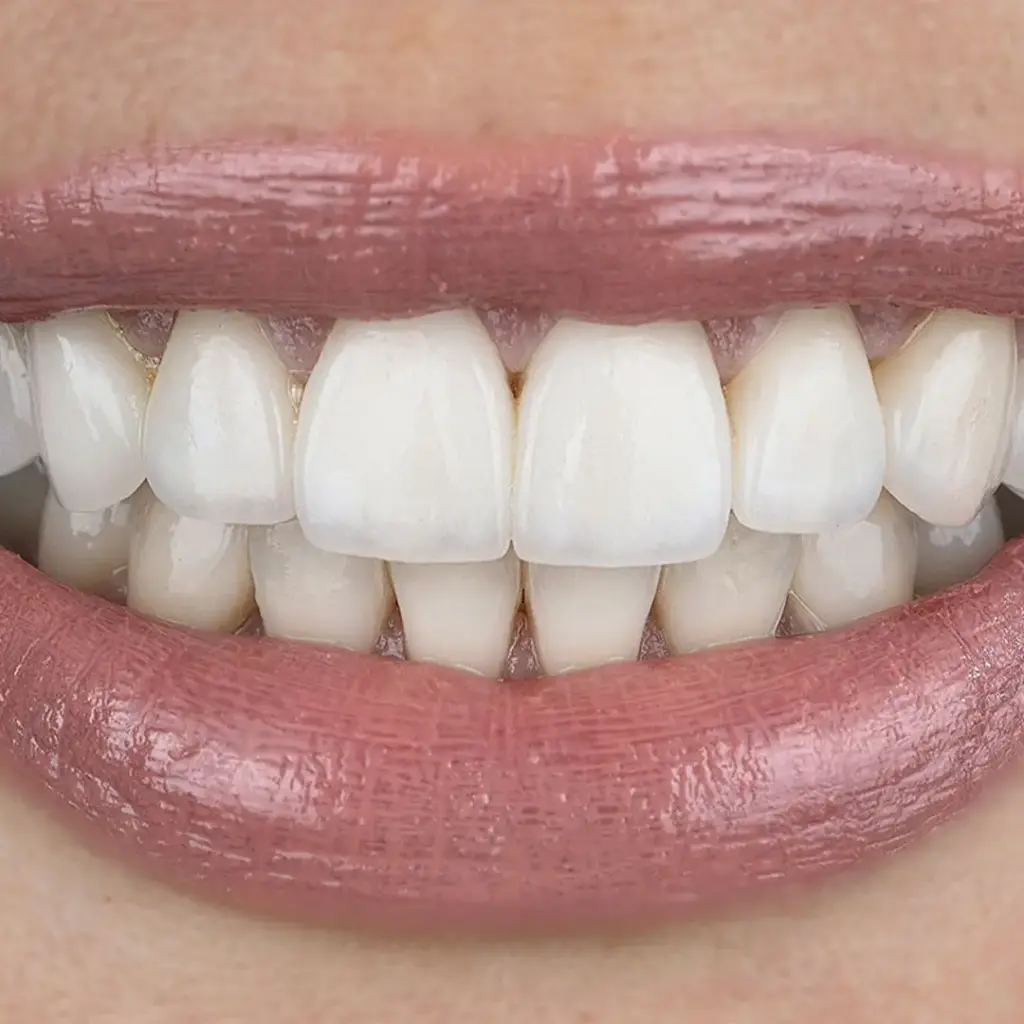
Although they may not offer the same level of translucency or light reflection as all-ceramic crowns (like Zirconium or Emax), modern porcelain layering techniques have significantly improved their aesthetic performance. When done with precision, PFM crowns can closely match the shade and contour of adjacent teeth.
Common Uses of Metal Crowns
- Metal Crowns are frequently used in the following cases:
- To restore severely decayed, cracked, or broken teeth
- To cover dental implants as crown restorations
- As abutments in dental bridgework
- After root canal treatment, where the tooth structure is weakened
- In cases requiring cost-effective yet durable solutions
Material Options and Variants
Depending on the case and patient preference, the underlying metal structure can be made from:
- Base metals (more economical but may carry a risk of allergic reactions)
- High noble alloys like gold or platinum (biocompatible and corrosion-resistant, but more expensive)
The choice of alloy plays a role in both longevity and biocompatibility, as well as the crown’s ability to bond with porcelain and surrounding
Types of Metal Crowns
Metal crowns are classified based on the type of metal alloy used. Each type has its own advantages in terms of durability, aesthetics, and suitability for different areas of the mouth.
- Full Metal Crowns : Made entirely of metal (gold, palladium, nickel-chromium, cobalt-chromium), these crowns are extremely strong and long-lasting. They’re ideal for molars where aesthetics are less important. They require minimal tooth preparation and rarely break or wear down.
- Porcelain-Fused-to-Metal (PFM) Crowns : PFM crowns have a metal base covered with tooth-colored porcelain. They offer a good balance between strength and aesthetics, making them suitable for both front and back teeth. However, a dark line may become visible near the gums over time.
- Base Metal Alloy Crowns : Made from affordable, non-precious metals like nickel or chromium, these crowns are highly resistant to corrosion and very durable. However, they may cause allergic reactions in sensitive patients and are not ideal for visible areas due to their metallic color.
- Noble Metal Alloy Crowns : Containing high percentages of gold, platinum, or palladium, these crowns are biocompatible and less likely to cause allergic reactions. They are extremely durable and gentle on surrounding teeth but are also more expensive and not aesthetically suitable for front teeth.

Choosing the Right Type
The ideal crown depends on factors such as tooth location, bite pressure, metal sensitivities, budget, and aesthetic preferences. At OGN Dental Studio, we guide each patient to select the most appropriate option for their individual needs.
Let me know if you’d like this turned into a comparison table or further simplified.
How Long Do Dental Crowns Last?
The lifespan of dental crowns can vary depending on several factors, including the material used, your oral hygiene habits, the skill of the dentist, and how much wear and tear the crown is exposed to. However, on average.
- Porcelain-fused-to-metal (PFM) crowns typically last 10 to 15 years.
- Zirconium crowns can last 15 to 20 years or more, thanks to their superior strength and durability.
- Emax crowns, known for their aesthetics, generally last 10 to 15 years with proper care.
- Full-metal crowns (such as gold or other metal alloys) can last 20 years or longer due to their extreme durability.
Metal Crowns Process
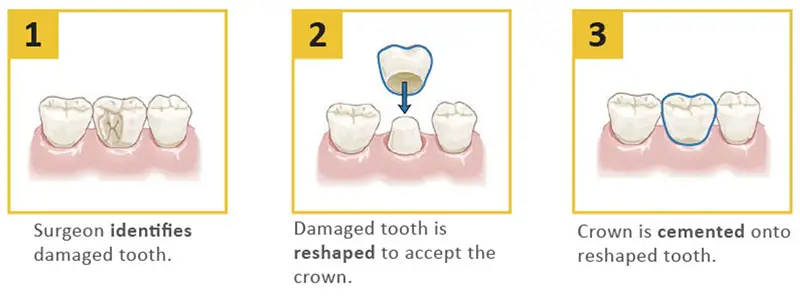
Metal Crowns, also known as Porcelain-Fused-to-Metal (PFM) Crowns or Full-Metal Crowns, offer a strong and reliable solution for restoring damaged or weakened teeth. The process of getting a metal crown typically involves two visits to the dentist and includes the following steps.
1. Initial Consultation and Examination
Your journey begins with a detailed consultation where the dentist examines the tooth or teeth needing restoration. X-rays may be taken to assess the roots and surrounding bone. If there is extensive damage, a root canal treatment might be required before placing a crown.
2. Tooth Preparation
The affected tooth is reshaped by removing a thin layer of enamel to make room for the crown. If a significant portion of the tooth is missing, a filling material may be used to build up the tooth structure so the crown can sit properly.
3. Impression Taking
Once the tooth is properly shaped, the dentist takes precise impressions (molds) of your teeth. These molds are used to create a custom crown that fits your bite perfectly. In modern clinics like OGN Dental Studio, digital scanning may replace traditional molds for enhanced accuracy and comfort.
4. Temporary Crown Placement
A temporary crown is placed to protect your tooth while the permanent one is being fabricated in the dental laboratory. This temporary crown is usually made of acrylic or resin and is not as durable as the final crown.
5. Crown Fabrication
The impressions or scans are sent to a dental laboratory, where skilled technicians craft your crown. For PFM crowns, the inner core is made of metal alloy, and the outer layer is porcelain. Full-metal crowns are typically made of gold, silver-colored alloys, or other high-strength materials. The fabrication process may take five to seven days.
6. Final Fitting and Cementation
Once your permanent crown is ready, you’ll return for your second visit. The dentist will remove the temporary crown, clean the tooth, and place the final crown to check the fit, bite, and appearance. If everything looks and feels right, the crown is permanently cemented in place.
7. Aftercare Instructions
You’ll receive guidance on how to care for your new crown. Good oral hygiene and regular check-ups are essential to ensure long-term success.


How Much Do Metal Crowns Cost?
The cost of metal crowns can vary significantly depending on several factors, including the type of metal used, the country where the treatment is performed, and the experience of the dental clinic. In general, metal crowns are more affordable than all-ceramic options like Emax or Zirconium, but prices still vary widely.
Why Is Turkey More Affordable?
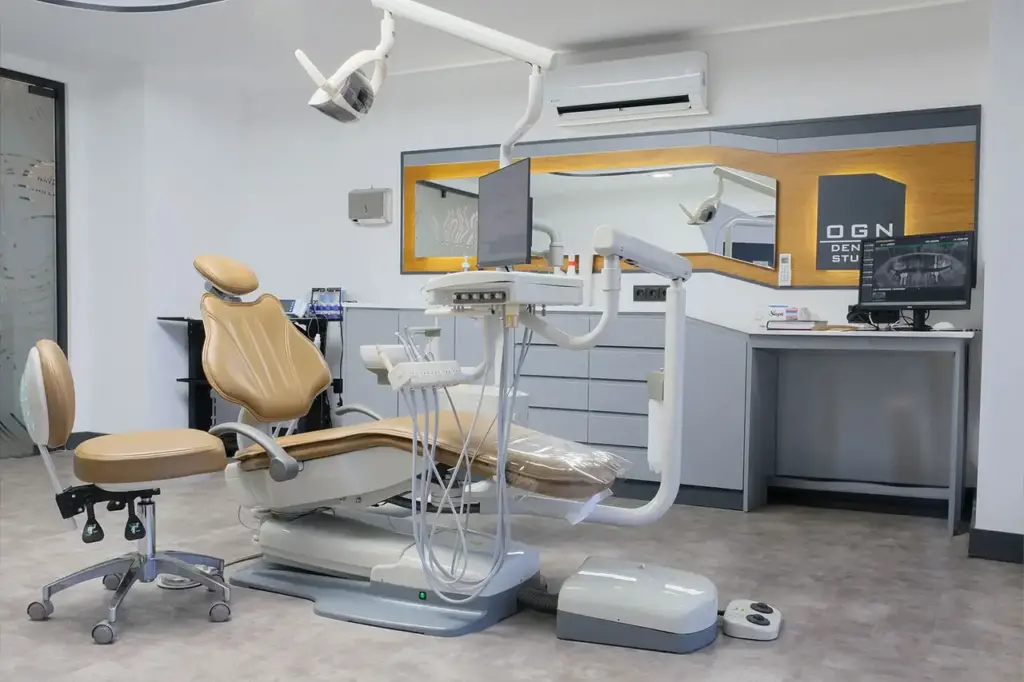
At OGN Dental Studio in Antalya, we offer high-quality Metal Crowns at much lower prices due to lower operating costs, in-house dental laboratories, and a well-supported dental tourism infrastructure. Despite the lower price, our patients benefit from European-standard materials, expert dental care, and advanced CAD/CAM technology.
Average Cost Comparison: Metal Crowns
| Country | Average Price (€) |
|---|---|
| Turkey | €120 – €250 |
| Germany | €600 – €1,000 |
| United Kingdom | €700 – €1,200 |
| France | €650 – €1,100 |
| Netherlands | €700 – €1,300 |
Advantages of Metal Crowns
Exceptional Strength and Durability
Metal crowns, especially those made from gold or metal alloys, are highly resistant to breaking or chipping. They can withstand strong chewing forces, making them ideal for molars and patients who grind their teeth (bruxism).
Long Lifespan
With proper care, metal crowns can last 10–20 years or more. Their durability makes them a long-term solution compared to other types of crowns that may require replacement sooner.
Minimal Tooth Reduction
Unlike ceramic crowns, metal crowns require less removal of the natural tooth structure. This helps preserve more of the healthy tooth underneath the crown.
Precise Fit
Metal crowns can be fabricated with extreme precision, ensuring a snug fit. This helps prevent leakage and reduces the risk of decay under the crown.
Biocompatibility (with High-Quality Alloys)
Certain types of metal crowns, such as those made from high-noble metals like gold, are very biocompatible and unlikely to cause allergic reactions or irritation to the gums and surrounding tissues.
Cost-Effective Option
Metal crowns—especially those made from non-precious alloys—are generally more affordable than all-ceramic or zirconia options. They are a budget-friendly yet effective choice for patients prioritizing function over aesthetics.
Less Wear on Opposing Teeth
Some metal alloys (such as gold) are softer and cause less wear on the opposing natural teeth, helping to preserve the integrity of your overall bite.
Disadvantages of Metal Crowns
Poor Aesthetic Appearance
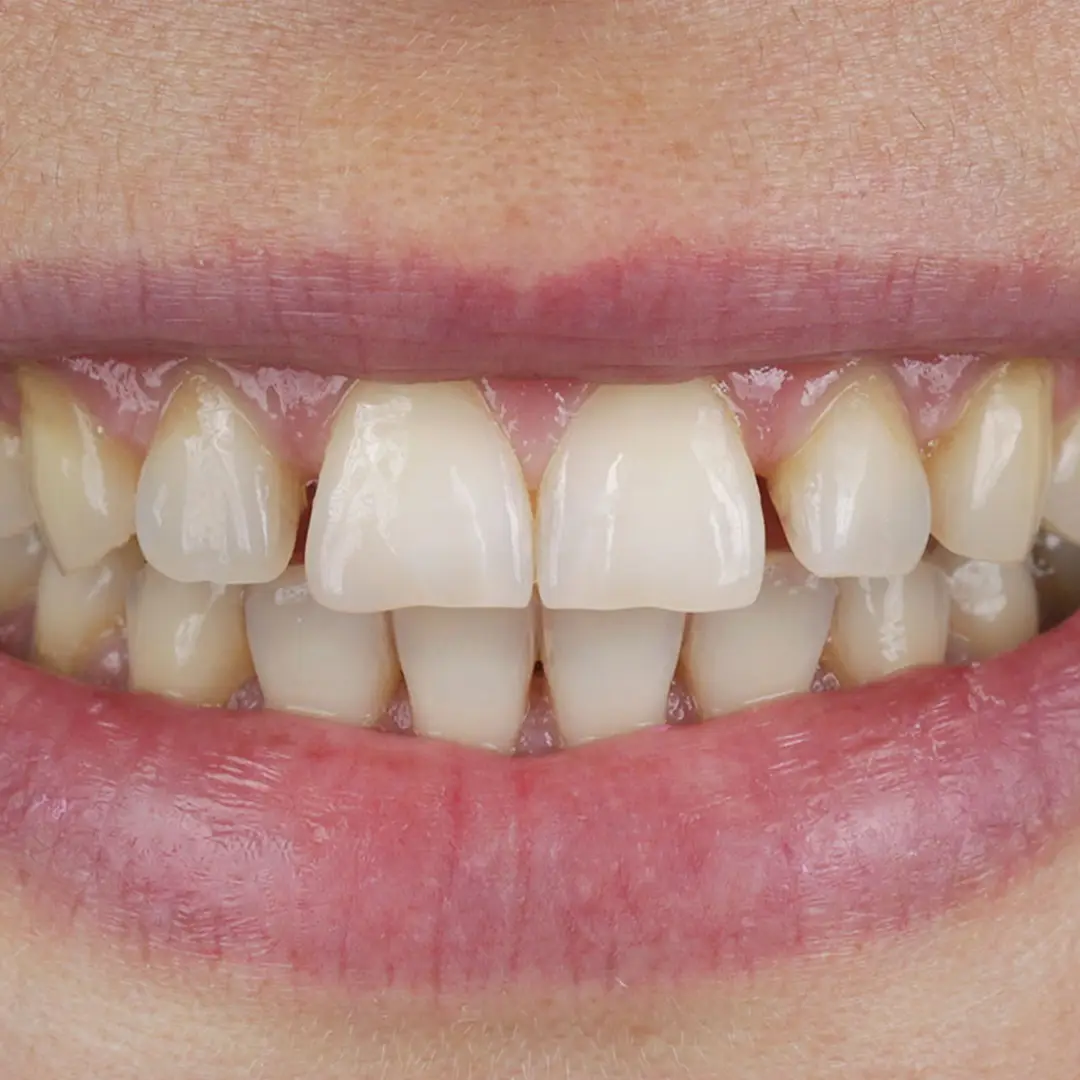
One of the main drawbacks of metal crowns is their metallic color. They do not blend in with natural teeth, making them highly visible—especially if placed on front teeth. Even porcelain-fused-to-metal (PFM) crowns can sometimes show a dark line at the gum margin.
Risk of Allergic Reactions
Some patients may be sensitive or allergic to the metals used in these crowns, such as nickel, chromium, or cobalt. This can lead to irritation, inflammation, or other gum-related issues in rare cases.
Gum Discoloration
Over time, metal crowns—particularly PFM crowns—can cause a gray or dark line to appear at the gum line, especially if gum recession occurs. This can affect the aesthetic appeal and is difficult to reverse.
Corrosion Potential
Although rare with high-quality alloys, certain base-metal crowns may corrode over time, especially in acidic oral environments. This can compromise both aesthetics and hygiene.
Not Ideal for Front Teeth
Due to their metallic appearance, metal crowns are generally avoided in the anterior (front) part of the mouth where cosmetic appearance is a priority.
Thermal Conductivity
Metal is a good conductor of heat and cold, so some patients may experience sensitivity when consuming very hot or cold foods and drinks, especially if the crown is close to a nerve.
Frequently Asked Questions (FAQ)
A metal crown is a type of dental restoration made entirely from metal alloys, such as gold, palladium, nickel, or chromium. It is used to cover and protect a damaged, weakened, or heavily filled tooth, restoring its function and strength.
Metal crowns are often recommended for back teeth (molars) where strength and durability are more important than appearance. They are ideal for patients with heavy biting forces or teeth that are prone to cracking.
Metal crowns are extremely strong, resistant to wear, and rarely chip or break. They require less removal of the natural tooth compared to other crown types and can last for many years, even decades, with proper care.
If placed on back teeth, metal crowns are usually not visible when smiling or speaking. However, they are not tooth-colored, so they are less common for front teeth where aesthetics are important.
With proper oral hygiene and regular dental check-ups, metal crowns can last 10–20 years or even longer. Their durability often makes them one of the longest-lasting crown options.
Some patients may have sensitivities or allergies to certain metals, such as nickel. If you have a known metal allergy, your dentist will choose a suitable alternative material for your crown.
Care for a metal crown just like a natural tooth: brush twice daily, floss regularly, and visit your dentist for routine check-ups. Avoid chewing very hard objects to prolong the crown’s life.