
Composite Bonding
Composite Bonding, also known as Composite Veneers, Dental Bonding, or Tooth Bonding, is a versatile cosmetic dental treatment designed to enhance the overall appearance of your smile. This procedure is especially popular among patients who want a quick and minimally invasive solution to improve their teeth without extensive dental work.
It is commonly used to address tooth discoloration, minor chips and cracks, small fractures, and natural gaps between teeth. By applying a carefully matched tooth-colored composite material, we can restore the tooth’s shape and color, creating a natural and aesthetically pleasing smile.
Request Your Free,
No-Obligation Quote
How Composite Bonding Works
Composite Bonding involves the application of a high-quality, tooth-colored composite resin directly onto the surface of the teeth. This resin is meticulously layered, shaped, and sculpted by the dentist to correct imperfections and harmonize the appearance of the smile. Once the desired shape is achieved, the material is hardened with a special curing light and then polished to achieve a natural shine that mimics real enamel.
One of the greatest benefits of composite bonding is that it requires little to no tooth preparation. Unlike traditional veneers or crowns, your natural tooth enamel remains intact, which makes the procedure minimally invasive and completely safe for your existing teeth. This is why composite bonding has become one of the most popular treatments for quick smile makeovers.
Composite Bonding Process
Composite Bonding is a straightforward, minimally invasive cosmetic procedure that can often be completed in a single visit. It involves a few simple steps, yet delivers dramatic improvements to the appearance of your smile. Here’s what you can expect during the process:
1. Initial Consultation
The process begins with a comprehensive consultation with your dentist. During this appointment, your dentist will:
- Assess your teeth and smile
- Discuss your goals and expectations
- Determine whether composite bonding is suitable for your case
- Explain the procedure and aftercare
In some cases, X-rays or intraoral scans may be taken to better evaluate the health of your teeth and gums.
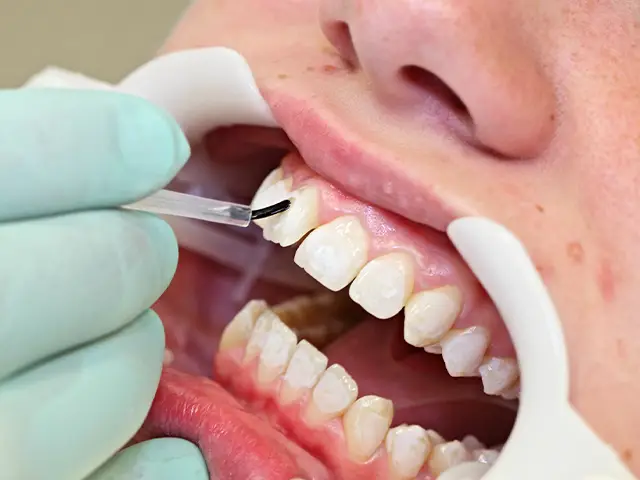
2. Tooth Preparation (No Drilling Required)
One of the biggest advantages of composite bonding is that it requires little to no preparation of the natural tooth.
- No anesthesia is usually needed, unless the bonding is being used to fill a decayed tooth.
- The surface of the tooth is lightly roughened, and a special conditioning liquid is applied to help the bonding material adhere more effectively.
3. Application of Composite Resin
A tooth-colored composite resin material is selected to match the natural shade of your teeth. The dentist will:
- Carefully apply the resin in layers
- Sculpt and mold it to achieve the desired shape
- Correct imperfections such as chips, cracks, or gaps
This part of the procedure requires an artistic eye, as the resin must be shaped to blend naturally with the surrounding teeth.
4. Hardening with Curing Light
Once the resin is properly shaped, it is hardened using a high-intensity curing light.
This step only takes a few seconds and ensures that the material is firmly bonded to the tooth surface.
5. Final Shaping and Polishing
After hardening, the dentist will:
- Refine the shape of the bonded area
- Polish the tooth to give it a smooth, glossy, and natural appearance
- This final step helps the bonded tooth blend in seamlessly with the rest of your smile.
Treatment Time
Composite bonding is usually completed in one appointment, depending on the number of teeth being treated. A single tooth can typically be bonded in 30 to 60 minutes.
How Much Does Composite Bonding Cost?
The cost of composite bonding varies depending on the number of teeth treated, the complexity of the case, and the country or clinic where the procedure is performed. At OGN Dental Studio in Antalya, we offer high-quality composite bonding using expert craftsmanship and modern materials—at prices significantly lower than those in many Western countries.
Why Choose Composite Bonding in Turkey?
- Prices in Turkey are typically 50–70% lower than in the UK or Germany, even when factoring in travel costs.
- Many dental clinics offer all-inclusive packages for cosmetic procedures, including consultation, X‑rays, treatment, and hotel transfers
- Patients receive treatment by experienced professionals using international-quality materials and protocols.
Composite Bonding Cost Comparison by Country
| Country | Average Price (Per Tooth) |
|---|---|
| Turkey | £80 – £180 |
| United Kingdom | £300 – £600 |
| Germany | €250 – €350 |
| France | €280 – €400 |
| Netherlands | €300 – €450 |
| Switzerland | CHF 350 – CHF 500 |



How Long Do Composite Bonding Last?
Composite Bonding typically lasts between 4 to 8 years, depending on several factors such as your oral hygiene habits, lifestyle choices, and the location of the bonded teeth in your mouth.
While composite resin is durable, it is not as strong as natural tooth enamel or porcelain used in crowns or veneers. Therefore, the longevity of composite bonding can be influenced by:
- Oral Hygiene: Brushing twice a day, flossing, and attending regular dental check-ups will help extend the lifespan of the bonding.
- Diet: Avoiding hard foods, chewing ice, or biting fingernails helps prevent chipping or cracking.
- Staining: Composite resin is more prone to discoloration over time, especially if you regularly consume staining substances like coffee, tea, red wine, or tobacco.
Grinding/Clenching: Patients with bruxism (teeth grinding) may experience faster wear of the bonding material.
If well cared for, composite bonding can be touched up or polished periodically and even replaced when needed, making it a practical and cost-effective solution for aesthetic dental improvements.
Advantages of Composite Bonding
Composite bonding is a popular and versatile cosmetic dental treatment that offers several significant benefits, especially for patients seeking fast and affordable smile improvements without invasive procedures. Here are the main advantages:
Minimally Invasive
- Composite bonding requires little to no removal of natural tooth enamel.
- Unlike veneers or crowns, it preserves your natural tooth structure, making it a safer and less aggressive option.
Quick and Convenient
- The procedure can usually be completed in a single visit to the dentist.
- It is a pain-free treatment and often requires no anesthesia unless being used to fill a cavity.
Cost-Effective
- Composite bonding is generally more affordable than porcelain veneers or crowns.
- It provides a budget-friendly solution for cosmetic enhancements.
Natural Appearance
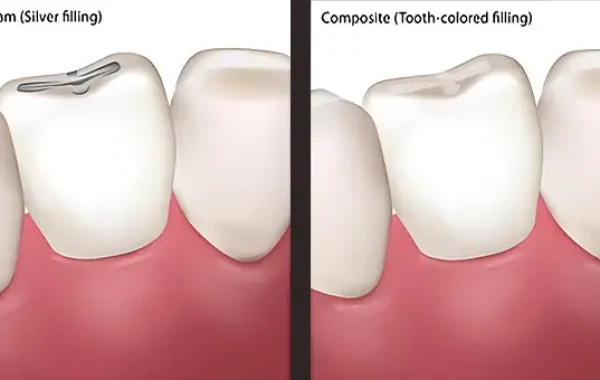
- The resin material is carefully selected to match the color of your natural teeth, providing a seamless and aesthetically pleasing result.
- Skilled dentists can shape and polish the bonding to look just like a real tooth.
Versatile Application
Composite bonding can fix a variety of aesthetic and minor structural issues, including:
- Discoloration or staining
- Small chips or cracks
- Gaps between teeth
- Slightly misshapen or uneven teeth
Reversible
- Since very little enamel is altered, the treatment is reversible.
- You can choose to replace or upgrade to veneers or crowns in the future if desired.
Immediate Results
You’ll see the transformation right after the procedure, making it a great option for patients looking for an instant improvement.
Risks of Composite Bonding
While composite bonding is a safe, minimally invasive, and popular cosmetic treatment, like any dental procedure, it comes with certain risks and limitations. Understanding these will help you make an informed decision about your treatment.
Staining Over Time
- Composite resin is more porous than natural enamel or porcelain, which makes it more susceptible to staining.
- Beverages such as coffee, tea, red wine, and habits like smoking can discolor the bonded areas faster than natural teeth.
Shorter Lifespan Compared to Veneers or Crowns
- Composite bonding typically lasts 3 to 7 years, depending on oral habits and care.
- It is less durable than porcelain veneers or crowns, and may need touch-ups or replacement sooner.
Prone to Chipping or Cracking
- The material used in bonding is not as strong as natural tooth enamel or porcelain.
- Biting into hard foods, chewing ice, or using teeth as tools (e.g., to open packaging) may cause chipping or breakage.
Requires Regular Maintenance
- To keep the bonded teeth looking natural, periodic polishing and scaling may be required.
- Minor repairs may be necessary over time due to wear and tear.
Not Suitable for Major Structural Issues
- Composite bonding is ideal for cosmetic improvements and minor defects.
- It is not recommended for severely damaged or misaligned teeth, where crowns, orthodontics, or other restorative procedures might be more appropriate.
Color Mismatch Over Time
Composite materials do not respond to teeth whitening treatments, which may lead to a mismatch if you whiten your natural teeth later.
What Is the Difference Between Composite Veneers and Dental (Porcelain) Veneers?
Composite veneers and porcelain veneers are both popular cosmetic dental treatments used to improve the appearance of teeth. However, they differ in material, application process, durability, cost, and aesthetic results.
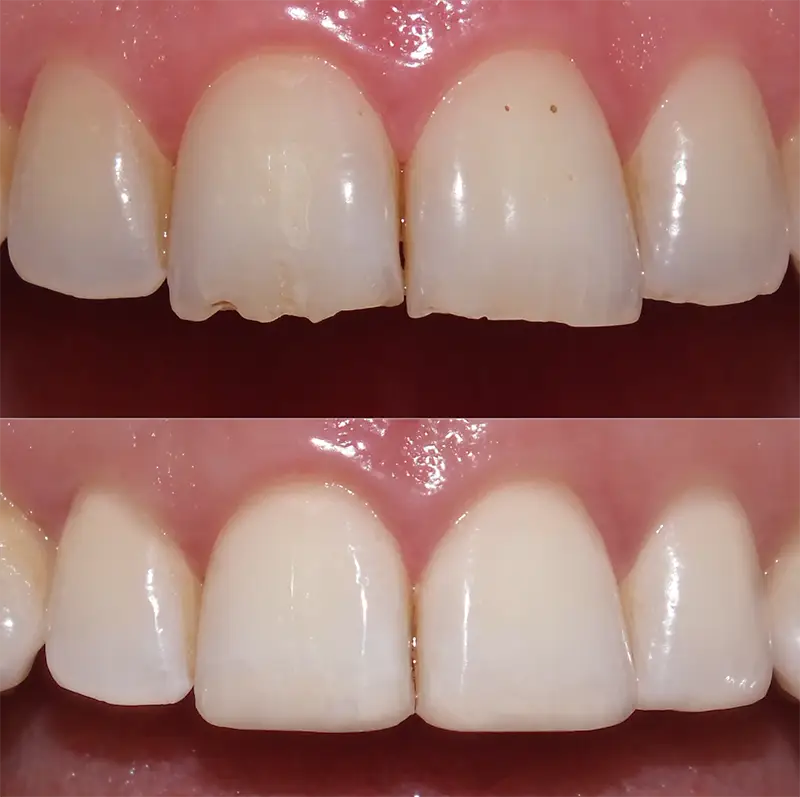
Composite veneers are made from a tooth-colored resin material that is applied directly to the surface of the teeth. The dentist shapes and polishes the material in a single visit, making it a quick and affordable option. This treatment is minimally invasive and usually doesn’t require any removal of tooth enamel. However, composite veneers are more prone to staining, chipping, and wear over time. On average, they last between 3 to 7 years with proper care.
Porcelain veneers, on the other hand, are thin ceramic shells custom-made in a dental laboratory. They require at least two appointments—one for tooth preparation and impressions, and another for placement. A small amount of enamel is typically removed to ensure a natural fit. Porcelain veneers are more durable and resistant to stains compared to composite veneers. They also offer a more natural and translucent appearance, closely mimicking real teeth. Their average lifespan ranges from 10 to 15 years or more.
In summary, if you’re looking for a quick, cost-effective solution, composite veneers may be the right choice. But if you’re aiming for long-lasting, high-quality, and natural-looking results, porcelain veneers are the better investment.
Frequently Asked Questions (FAQ)
No, composite bonding is generally painless. In most cases, no anesthesia is needed because the treatment is non-invasive and doesn’t involve drilling or removing enamel.
The procedure is usually completed in a single appointment. Depending on the number of teeth being treated, it may take 30 minutes to an hour per tooth.
With proper care, composite bonding can last 3 to 7 years. Regular check-ups, good oral hygiene, and avoiding habits like nail-biting or chewing hard objects can extend its lifespan.
No, the composite resin used in bonding does not respond to teeth whitening. If you plan to whiten your teeth, it’s best to do so before bonding so the color of the resin can be matched to your natural teeth.
No, composite bonding is a minimally invasive procedure that preserves your natural tooth structure. It does not require enamel removal in most cases.
Yes, composite bonding is an excellent solution for closing small gaps between teeth without the need for orthodontic treatment.
Yes, when done by a skilled dentist, the composite material is shaped and polished to blend seamlessly with your natural teeth, providing a very natural appearance.
Yes, you can eat normally, but it is recommended to avoid very hard, sticky, or staining foods for the first 24 hours. Long term, take care to avoid habits that may chip or stain the bonding.